
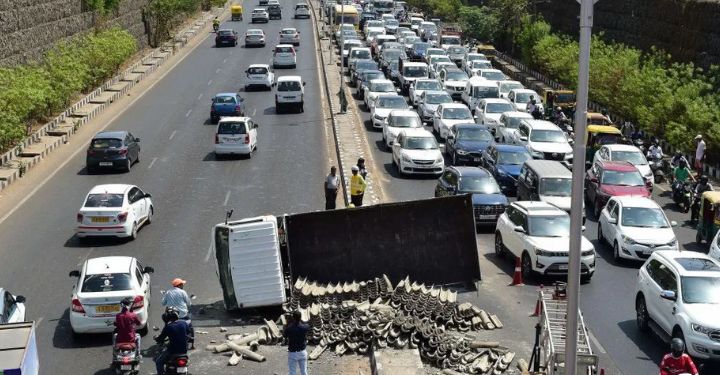
India’s road network is the backbone of its economy, connecting villages to cities, markets to ports, and people to opportunities. But behind this seemingly connected landscape lies a harsh truth: poor infrastructure is a key driver of the nation’s soaring road death toll. Unsafe roads don’t just delay travel—they kill.
Cracked Roads, Broken Lives
Potholes, eroded shoulders, uneven surfaces, and missing manhole covers are more than just nuisances—they’re killers. Every monsoon season brings a flood of road degradation, yet maintenance is often delayed or neglected. Motorcyclists are especially vulnerable, with potholes contributing to countless two-wheeler crashes annually.
Urban roads often suffer from patchwork repairs, while rural roads lack even basic surfacing, leaving users exposed to unpredictable hazards.
Lack of Signage and Markings
Road signage in India is either missing, damaged, or confusing. In many areas, crucial signs—like speed limits, blind turn warnings, or pedestrian crossings—are absent. Lane markings fade quickly and are rarely repainted. Without visual cues, drivers are forced to make split-second decisions in chaotic conditions.
This problem is worse at night, where poor visibility combines with a complete absence of reflective signs or road studs.
Highways Without Safety Design
India’s push to build expressways has led to an explosion in highway mileage. However, these high-speed roads often lack necessary safety features such as crash barriers, rumble strips, median dividers, and emergency exit lanes. High-speed collisions, especially head-ons, become inevitable when vehicles stray into opposing lanes.
Entry and exit ramps are poorly designed in many places, leading to sudden merges, abrupt turns, and dangerous braking.
Encroachments and Obstacles
Unauthorized shops, parked vehicles, construction materials, and even livestock frequently occupy road space in India. On highways, illegal U-turns and roadside food stalls cause sudden lane changes and dangerous stops. Pedestrians and cyclists are forced into traffic lanes due to blocked sidewalks and non-existent shoulders.
This unregulated usage of road space turns regular commutes into obstacle courses.
Bridges, Flyovers, and Tunnel Risks
Large infrastructure projects, while necessary, often come with serious safety oversights. Incomplete flyovers and cracked bridges have collapsed in some areas. Tunnels lack proper ventilation, lighting, and emergency exits. Regular inspections are either poorly conducted or not followed up with action, leaving users vulnerable to catastrophic failures.
Urban Chaos, Rural Neglect
In cities, road safety suffers from congestion and chaotic traffic management. In villages and remote regions, the danger stems from lack of any infrastructure at all—no streetlights, no guardrails, no road shoulders. Emergency response in rural areas is nearly non-existent, meaning victims often succumb to injuries that would be treatable elsewhere.
Conclusion
India doesn’t just have a driving problem—it has a design problem. The road to safer travel doesn’t start with better drivers alone, but with better roads. Until infrastructure quality becomes central to transport policy, India’s roads will remain pathways not just to destinations, but to disaster.
For More News updates : https://asiapedia.in