
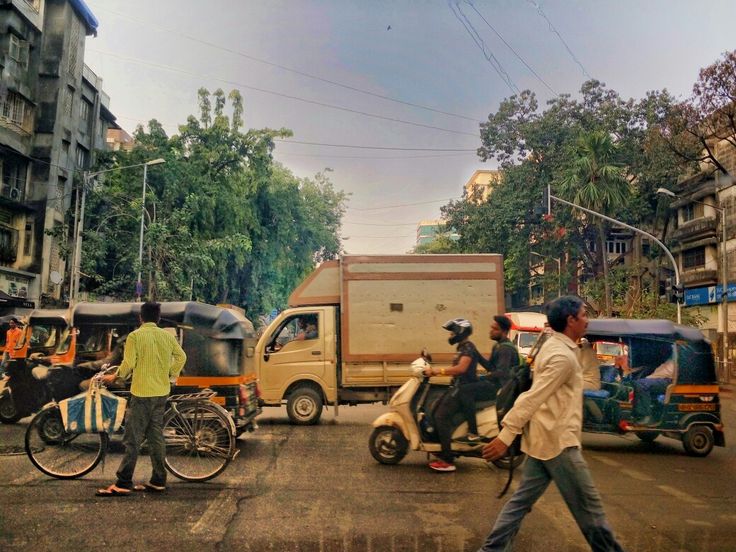
Before a city impresses you with its history, aesthetics, or culture, it does something far more subtle. It trains your body. Long before opinions form, your muscles, posture, and pace begin to adjust. Cities teach without language.
Think about how differently you move in different Indian cities. In Mumbai, walking becomes instinctive. You learn to navigate crowds, board moving locals, calculate gaps in seconds. The city sharpens reflexes. Your body learns urgency even if your mind resists it. Delhi, by contrast, stretches movement outward. Distances are longer, pauses are heavier, transitions slower. Auto rides become conversations. Waiting becomes normalized.
Cities impose rhythm. Bengaluru’s traffic rewires patience. Kolkata’s tram lines slow the nervous system. Chennai’s heat changes posture itself, shoulders drop, steps shorten, conversations soften. These are not choices; they are adaptations. The body learns the city before the brain has time to narrate it.
Architecture plays a role. Narrow lanes demand awareness. Flyovers encourage speed but disconnect you from ground life. Parks invite lingering. Footpaths, or their absence, decide whether walking feels safe or defiant. Cities that neglect pedestrians silently discourage curiosity. Those that support them reward attention.
Even sound trains the body. Constant horns keep muscles alert. Quiet neighborhoods lower breathing rates. Call-to-prayer, temple bells, vendors’ calls, all form an auditory map that tells your body when to pause, when to move, when to gather. These cues sink in subconsciously.
Public transport further conditions us. Local trains force coordination and trust. Metro systems demand order and predictability. Shared autos encourage negotiation and social awareness. Each system teaches different bodily habits: balance, patience, assertiveness, surrender.
Food timing matters too. In some cities, eating late feels natural. In others, meals anchor the day early. Your hunger adapts. So does your sleep. So does your energy curve. Over time, the city begins living through you.
What’s fascinating is how quickly this happens. Within days, your walking speed changes. Within weeks, your tolerance for noise or delay recalibrates. Within months, leaving the city feels physically strange. The body resists unfamiliar rhythms even when the mind is excited. This bodily training explains why cities leave such lasting impressions. You don’t just remember them, you carry them. The way you crossroads, stand in queues, judge distances, or read crowds stays altered long after you leave.
Cities don’t persuade us intellectually first. They condition us physically. Only later do we assign meaning, nostalgia, or critique. By then, the body already knows the place intimately.
Understanding this shifts how we think about travel. Cities are not merely destinations to observe. They are environments that shape us quietly, persistently, and deeply, starting with the body, and only later reaching the mind.
For More News updates : https://asiapedia.in