
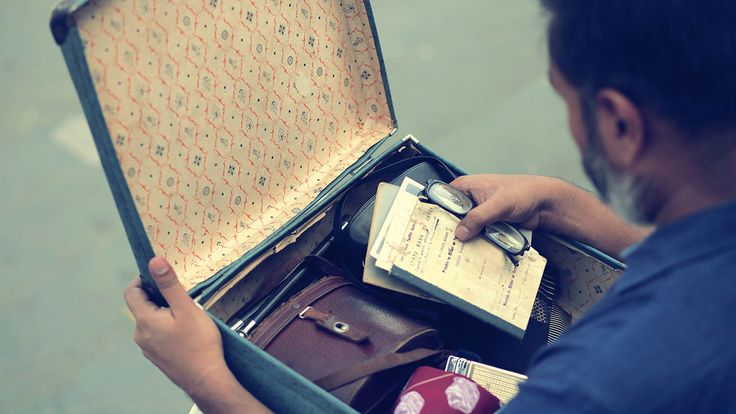
Indian travel rarely begins empty-handed. Beyond clothes and essentials, there are objects, quiet, personal, and deeply intentional. A small, framed deity. A steel tiffin. A shawl that smells like home. A folded newspaper from yesterday. These objects are not practical necessities. They are emotional equipment.
In India, objects travel because memory travels. Carrying something from home is a way of staying rooted while moving. The journey becomes less disorienting when familiarity sits beside you. On trains and buses, you notice it everywhere. People unpack carefully, not to display, but to settle. Objects are placed, not used immediately. A bottle is near the seat. A cloth is spread neatly. A photo tucked away where it can be seen. Travel becomes an act of arranging belonging.
These objects act as anchors. They soften uncertainty. They provide routine. Eating from your own tiffin in a strange place feels safer. Wrapping yourself in a known shawl makes unfamiliar rooms manageable. The object absorbs anxiety, so the traveller doesn’t have to. There is also cultural memory here. Indian homes have always valued continuity. Objects pass through generations, cities, and circumstances. Travel does not interrupt this flow, it extends it.
Even minimal travellers often carry one emotional item. Something that doesn’t make sense to anyone else. Something that doesn’t need explanation. Losing such an object hurts more than losing clothes because it breaks the invisible thread between places.
Interestingly, these objects often return changed. A shawl picks up dust from another city. A tiffin carries new stains. Home itself expands through travel, stitched together by these silent companions. Indian travel understands something modern minimalism often forgets movement doesn’t require detachment. It requires grounding. Objects provide that grounding.
You may forget hotel names and routes, but you remember where you placed your things. That’s how journeys become livable, not just memorable.
For More News updates : https://asiapedia.in